HVAC Contractor Technical Know-How for Seasonal Thermal Regulation
An HVAC contractor's expertise are vital for maintaining suitable home climate management throughout the year. Their competence assures that systems are installed, looked after, and fixed successfully, boosting performance and efficiency. Grasping specific requirements enables contractors to anticipate issues before they escalate. However, picking the right contractor can be challenging. What should homeowners evaluate to make certain they make the best choice for their comfort needs?
Why Your HVAC System Matters for Home Coziness
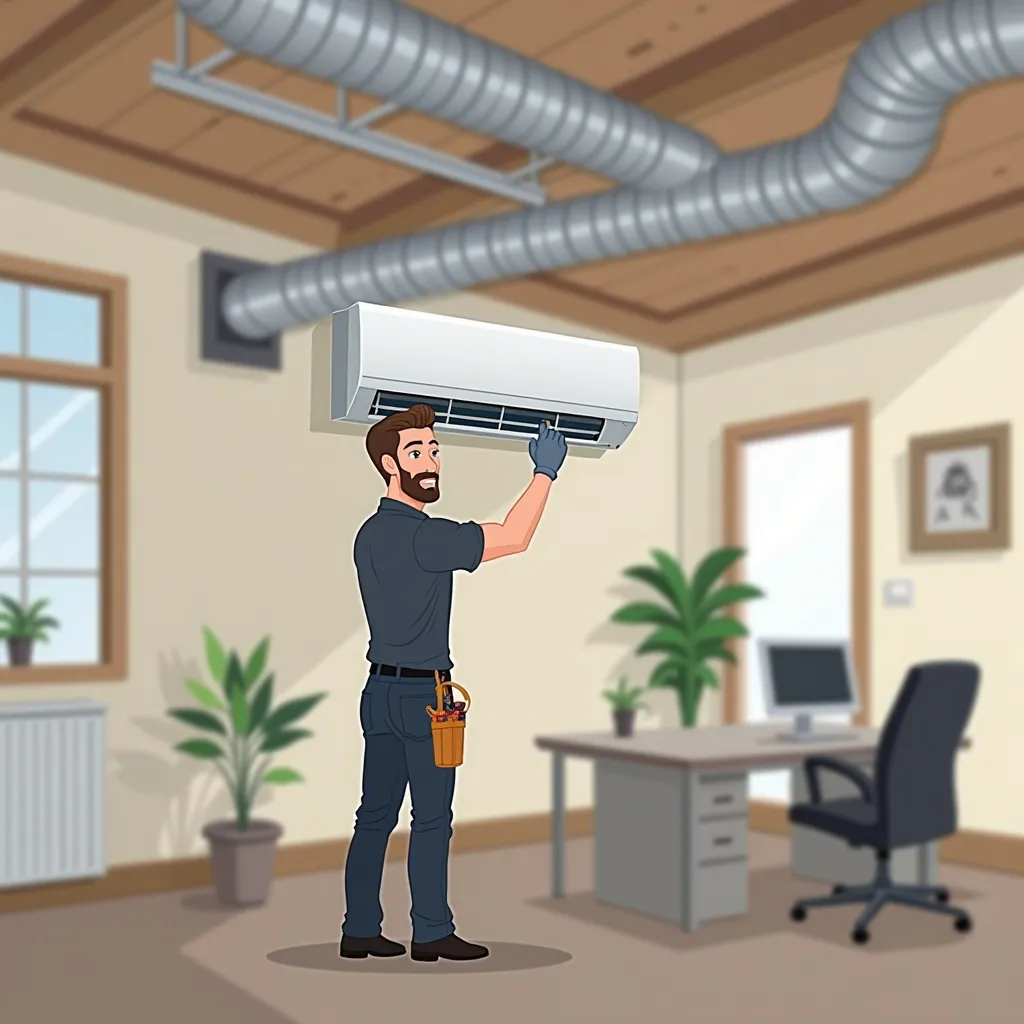
The HVAC system functions as the support system of home comfort, determining temperature, air quality, and overall living conditions. Its essential functions consist of heating, ventilation, and air conditioning, which together form a balanced indoor environment. A well-functioning HVAC system provides consistent temperatures throughout the home, mitigating extreme fluctuations that can impact comfort. Proper ventilation is required for sustaining air quality, limiting the presence of allergens, pollutants, and excess humidity.
Furthermore, an efficient HVAC system can provide energy savings, lowering utility bills while improving comfort. Routine upkeep and prompt updates can further optimize performance, making sure that the system operates at peak efficiency. Homeowners who focus on their HVAC systems often enjoy less downtime and a more pleasant living environment. Ultimately, the importance of the HVAC system extends beyond mere temperature control, playing a fundamental role in health, comfort, and overall well-being.
Essential heating and cooling Solutions for Homeowners
Property owners must understand the importance of essential HVAC services to preserve system functionality and comfort. Regular upkeep is crucial in extending equipment lifespan and ensuring optimal performance. Furthermore, energy efficiency upgrades can lead to significant cost savings and a reduced environmental footprint.
The Significance of Preventative Upkeep
Though many might neglect the importance of preventive maintenance, it remains critical to the lifespan and functionality of HVAC systems. Steady maintenance helps in detecting potential problems before they turn into costly repairs, providing smooth operation throughout the year. Actions like filter changes, system inspections, and refrigerant evaluations can boost performance and lower energy use. Homeowners see better indoor air quality and consistent control of temperature, which creates a comfortable living setting. Furthermore, steady maintenance often similar resource supports prolonging equipment lifespan, thereby saving homeowners money in the long run. By putting resources into preventive maintenance, individuals can enjoy peace of mind, confident their HVAC systems function at peak efficiency and consistently through the changing seasons.
Energy Efficiency Upgrades
Energy efficiency enhancements supply homeowners substantial benefits, improving both comfort and cost savings. By investing in modern HVAC systems, such as high-efficiency furnaces or energy-efficient air conditioners, households can minimize energy consumption and decrease utility bills. Additionally, upgrading insulation and sealing ductwork can eliminate energy loss, ensuring that conditioned air remains within the home. HVAC contractors often recommend smart thermostats, which fine-tune temperature settings based on occupancy patterns, additionally aiding to energy savings. These upgrades not only assist the environment by reducing carbon footprints but also enhance property value. Homeowners who emphasize energy efficiency can enjoy a more sustainable lifestyle while experiencing improved indoor air quality and overall comfort throughout the year.
Picking the Best HVAC Technician?
How does one be certain they select the most qualified HVAC contractor for their needs? Research is important; potential clients should start by obtaining recommendations from friends and family. Online reviews can shed light into contractors' reputations. It is essential to verify licenses and certifications to ensure compliance with local regulations. Obtaining multiple quotes allows for comparisons of pricing and services offered, but the lowest bid should not be the sole deciding factor.
Additionally, examining a contractor's track record with particular HVAC systems can be advantageous. Inquiring regarding guarantees and after-sales service also helps gauge reliability. A trustworthy contractor will conduct a detailed evaluation of the home before providing recommendations. Fundamentally, open communication and trust are essential; selecting someone who responds to and hears concerns can result in a successful partnership. By implementing these steps, homeowners can confidently select a skilled HVAC contractor tailored to their specific requirements.
Energy Efficiency Guidance for HVAC Systems
Energy optimization in HVAC systems is vital for both cost savings and environmental impact. Regular maintenance plays a key role in ensuring peak performance, while the use of programmable thermostats can maximize energy efficiency by allowing for adjusted temperature settings. Understanding these aspects can lead to superior efficiency and comfort in any space.
Why Consistent Maintenance Is Critical
Although numerous property owners might overlook the significance of consistent HVAC maintenance, it holds a key role in maximizing energy efficiency. Frequent examinations and maintenance aid in detecting potential issues before they become serious, ensuring the system operates at peak efficiency. Regular cleaning of filters can significantly enhance airflow, enabling the HVAC system to operate more effectively. Additionally, checking refrigerant levels and inspecting ductwork for leaks prevents energy waste, contributing to lower utility bills. Routine maintenance extends the equipment's lifespan and supports indoor air quality. By prioritizing HVAC upkeep, homeowners can enjoy a comfortable living environment while lowering energy consumption, ultimately benefiting both their wallets and the planet.
Programmable Thermostat Benefits
Promoting enhanced comfort and efficiency, programmable thermostats supply homeowners with a smart strategy for directing their HVAC systems. These units allow users to set up specific temperature schedules, making sure that heating and cooling happen when needed, which reduces energy consumption. By progressively adjusting temperatures during off-peak hours, programmable thermostats can dramatically lower utility bills. Furthermore, plenty of models deliver remote access through smartphone applications, enabling homeowners to observe and fine-tune settings from anywhere. This adaptability not only enhances convenience but also equips users to assume control of their energy usage. At the end of the day, incorporating a programmable thermostat into an HVAC system can produce superior energy efficiency, enhanced comfort, and a reduced environmental footprint, making it a sound investment for any home.
Seasonal Maintenance Strategies From HVAC Experts
Many residents disregard the importance of routine servicing for their HVAC systems, yet experts emphasize that regular upkeep is critical for excellent operation and longevity. HVAC service providers recommend biannual check-ups—once in spring and once in fall—to equip systems for extreme weather variations.
In spring servicing, technicians regularly maintain coils, check refrigerant levels, and evaluate electrical connections, guaranteeing air conditioning units perform efficiently. During the fall, the focus changes to heating systems; filters are updated, and furnace components are inspected to prevent breakdowns during winter.
Furthermore, professionals highlight the importance of removing waste around external components and ensuring proper airflow. Routine upkeep not only enhances performance but also extends the longevity of HVAC systems, ultimately saving homeowners money on utility costs and maintenance expenses. By focusing on these seasonal strategies, homeowners can enjoy pleasant indoor climates year-round.
What heating and cooling Problems Do Contractors Fix?
Seasonal maintenance not only enhances HVAC system performance but also helps identify potential issues before they escalate. HVAC contractors routinely address a host of issues, ensuring optimal system functionality. One widespread issue is refrigerant leaks, which can lead to weak cooling and increased energy costs. Contractors also routinely resolve electrical problems, such as malfunctioning thermostats or faulty wiring, which can disrupt heating and cooling cycles.
Another everyday problem concerns air duct issues, involving barriers or losses that disallow efficient airflow. Contractors may also correct condensate drain accumulations, which can cause water damage and mold growth. Additionally, they fix mechanical failures in assemblies like compressors or blowers, indispensable for system operation. Frequent inspections and well-timed repairs by HVAC practitioners not only extend the lifespan of the systems but also upgrade energy efficiency, ultimately leading in cost economies for homeowners.
Frequently Asked Questions
How Do I Know When to Upgrade My HVAC System?
Indicators pointing to the requirement of HVAC system upgrade include frequent breakdowns, increasing utility costs, uneven cooling and heating, and systems over a decade old. Routine maintenance checks can assist in assessing performance and lifespan, informing the replacement decision.
What Are the Symptoms of an Ineffective HVAC System?
Indicators of an deficient HVAC system involve unequal temperatures, excessive energy bills, unusual noises, reduced airflow, and frequent cycling. These warning signs imply suspected problems that may require qualified evaluation or system substitution for peak performance.
Do HVAC Systems Improve Indoor Air Quality?
HVAC systems can significantly improve indoor air quality by filtering pollutants, controlling humidity, and ensuring proper ventilation. Regular maintenance and upgrades enhance their effectiveness, supporting a healthier living environment for occupants throughout the year.
What Role Does Weather Play in HVAC Performance?
Weather significantly affects HVAC operation; extreme temperatures can burden equipment, reducing efficiency. Humidity levels influence humidity regulation, while weather shifts necessitate adjustments in settings. Routine upkeep helps mitigate these impacts, guaranteeing peak functionality year-round.
What Types of Warranties Are Accessible for HVAC Systems?
HVAC systems typically feature manufacturer warranties safeguarding parts for five to ten years. Some contractors offer extended service warranties, which may include labor and maintenance, offering additional protection for equipment performance and lasting durability.